Facing a power outage or needing reliable off-grid energy for a job site or RV can be daunting, but a 9000-watt generator offers a potent solution. This comprehensive Buying Guide: Choosing Your 9000W Generator is designed to cut through the jargon, helping you pinpoint the perfect power companion that delivers steady, clean electricity without unnecessary fuss or excessive noise. We're here to empower your decision with clear, trustworthy insights.
At a Glance: Key Takeaways for Your 9000W Generator Search
- Noise Matters: Aim for 60-70 dBA for comfortable use; inverter models are generally quieter.
- Power Prowess: Differentiate between "peak" (starting) and "running" (continuous) watts.
- Clean Power is King: For sensitive electronics, insist on "inverter" generators with Total Harmonic Distortion (THD) below 5%.
- Fuel Flexibility: Dual fuel (gasoline and propane) offers versatility and extended storage options.
- Safety First: Carbon monoxide (CO) shutoff, low oil protection, and overload sensors are non-negotiable.
- Portability & Perks: Wheels, handles, and remote start significantly enhance user experience.
Unpacking the "Why": Do You Really Need a 9000-Watt Generator?
Before diving into models, let's confirm if a 9000-watt generator truly fits your needs. These units are powerhouse portable solutions, perfectly positioned for:
- Whole-Home Backup (Essential Circuits): Capable of running a refrigerator, sump pump, lights, a few smaller appliances, and even a central air conditioner (check your AC's starting wattage carefully!).
- Heavy-Duty Job Sites: Powering multiple high-draw tools simultaneously, such as air compressors, miter saws, concrete mixers, and grinders.
- Large RVs & Remote Cabins: Providing comprehensive power for creature comforts, kitchen appliances, and entertainment systems far from grid connections.
Understanding your total power requirements is the first step. Jot down the running watts of all appliances you'd want to use concurrently, then identify the highest "surge" or "starting" watt requirement among them (typically for motors like refrigerators or AC units). Your generator needs to handle both.
The Silent Revolution: Why Noise Level is Non-Negotiable
Few things are more aggravating than a generator that sounds like a jet engine. Especially for home backup, RVing, or any situation where you're near the unit for extended periods, noise level is a critical factor. Generator noise is measured in decibels (dBA), often at a specific distance (e.g., 23 feet) and load (e.g., 25% load).
- "Super Quiet" (60-65 dBA): Think of a normal conversation or a quiet dishwasher. Models like the GENMAX GM9000iE or Pulsar PGD95BISCO Super Quiet Dual Fuel Generator achieve this impressive hush, making them ideal for residential areas or campgrounds.
- "Quiet" (66-72 dBA): Comparable to a washing machine or street traffic. The DuroMax XP9000iH Dual Fuel Inverter Generator falls into this category, offering a good balance of power and moderate noise. Even the Champion 201067 9000 Quiet Backup Generator is considered quiet for its class, though at 72 dBA it's noticeably louder than the super quiet options.
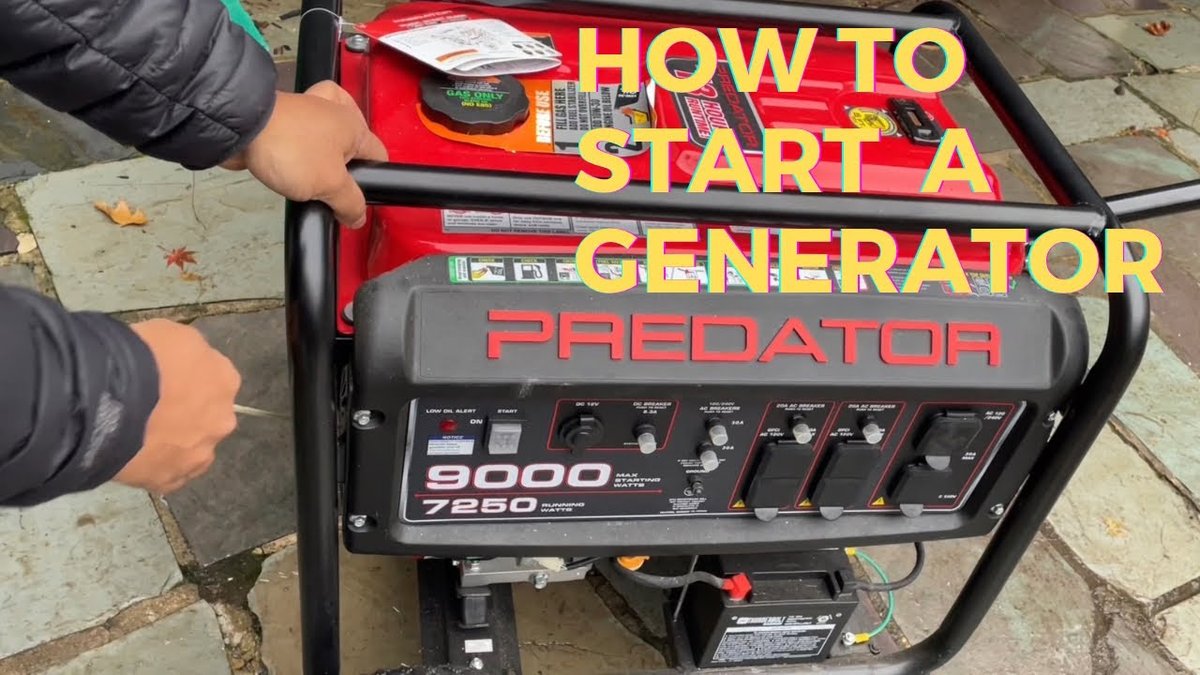
- "Standard" (75 dBA+): These are akin to a vacuum cleaner or a busy office. Models like the Predator 9000 Generator (78 dBA) or A-iPower SUA9000E Generator (76 dBA) are significantly louder. While they might be acceptable on a remote job site or far from any residential areas, they're generally not recommended for home use where neighbors are a concern.
Pro Tip: Inverter generators inherently run quieter because they can adjust engine speed to match power demand, rather than running at a constant, high RPM like conventional models. This not only reduces noise but also improves fuel efficiency.
Power with Precision: The Importance of Clean Electricity (THD)
Modern homes and businesses are filled with sensitive electronics – laptops, smart TVs, medical devices, and even many smart appliances. These devices require "clean" power, meaning electricity with minimal Total Harmonic Distortion (THD). High THD can damage sensitive circuitry, leading to malfunctions or premature failure.
- Inverter Generators (THD < 5%): These are your go-to for clean power. They convert raw AC power to DC, then back to a stable, sine-wave AC current, typically with less than 3% THD. The GENMAX GM9000iE, Champion 201067, Pulsar PGD95BISCO, and DuroMax XP9000iH all boast low THD, making them perfectly safe for all your electronics.
- Conventional Generators (THD often > 10%): Many non-inverter generators, like the Predator 9000, can have THD figures exceeding 20%. While perfectly fine for basic tools with universal motors (like a circular saw or work light), they are explicitly unsuitable for sensitive electronics. The A-iPower SUA9000E Generator is another non-inverter model likely to have high THD, reinforcing the need for caution.
If you plan to power anything with a microchip, an inverter generator is a non-negotiable feature. Don't compromise here; the cost of replacing damaged electronics far outweighs the savings on a non-inverter model. To dive deeper into the capabilities of these devices, explore more about 9000 generators and their applications before making your final choice.
Fueling Your Flexibility: Single vs. Dual Fuel Options
Your choice of fuel type impacts convenience, runtime, and even long-term storage.
- Gasoline: The most common fuel type, offering wide availability. Generators like the Champion 201067 primarily run on gasoline. However, gasoline has a shorter shelf life and requires stabilizers for extended storage.
- Propane (LPG): Offers several advantages:
- Longer Storage: Propane doesn't degrade like gasoline, making it ideal for emergency backup where the generator might sit for long periods.
- Cleaner Burn: Produces fewer emissions and less carbon buildup, potentially extending engine life.
- Easy Storage: Propane tanks are readily available and simple to store.
- Consistent Power: Propane often delivers slightly lower wattage than gasoline, but it's a very stable fuel.
- Dual Fuel (Gasoline & Propane): The best of both worlds, offering ultimate flexibility. Many top 9000W models, including the GENMAX GM9000iEDC, Pulsar PGD95BISCO, WEN DF680iX, and DuroMax XP9000iH, are dual fuel. This allows you to switch between fuels depending on availability or preference, providing peace of mind during extended outages.
Runtime: Don't just look at tank size; compare "runtime at 25% load" or "50% load" to understand true endurance. The DuroMax XP9000iH, for instance, boasts an impressive 20 hours at 25% load on gasoline.
Beyond the Basics: Essential Features for a Smart Purchase
Once you've narrowed down your choices by noise, power quality, and fuel, it's time to consider the features that enhance usability, safety, and overall value.
Mobility & Convenience: Don't Break Your Back
A 9000-watt generator is a substantial piece of equipment. Weight can range from 150 lbs (Champion) to over 230 lbs (GENMAX, DuroMax).
- Built-in Wheels & Handles: A non-negotiable. Look for sturdy wheels and a robust, often folding, steel handle for easy maneuverability. All the top inverter models generally include these. The Predator 9000, notably, sells its wheel kit separately, adding an extra cost and inconvenience.
- Electric Start: A game-changer. No more wrestling with pull cords, especially vital in an emergency. Most quality 9000W generators, like the Champion 201067, Pulsar PGD95BISCO, and DuroMax XP9000iH, come with electric start.
- Remote Start: The ultimate convenience. Imagine starting your generator from inside your home or RV with a key fob. The GENMAX GM9000iE and Pulsar PGD95BISCO offer this luxury.
- Digital Control Center: Provides crucial information at a glance: hours run (for maintenance tracking), voltage, load, and sometimes frequency or fuel levels. The GENMAX GM9000iE and GM9000iEDC feature these, simplifying monitoring.
Prioritizing Safety: Protecting Yourself and Your Investment
Modern generators come with critical safety mechanisms. Don't compromise on these.
- Carbon Monoxide (CO) Shutoff (CO Shield): Carbon monoxide is a silent killer. This sensor automatically shuts down the generator if CO levels become unsafe in the operating area. The Champion 201067, Pulsar PGD95BISCO, WEN DF680iX, and DuroMax XP9000iH all include this life-saving feature. Always operate generators outdoors, far from windows and doors.
- Low Oil Shutoff: Protects the engine from damage by automatically turning off the generator if oil levels drop too low.
- Overload Protection: Prevents damage to the generator and connected appliances by shutting down if the load exceeds the unit's capacity.
- GFCI Outlets: Ground Fault Circuit Interrupter outlets are crucial, especially on job sites or any outdoor use, preventing electric shock. The Champion 201067, DuroMax XP9000iH, and Predator 9000 include multiple GFCI outlets.
Maximizing Efficiency & Versatility
- Economy Mode / Low Idle Mode: Reduces engine speed when power demand is low, saving fuel and further decreasing noise. The Champion 201067 and GENMAX GM9000iEDC both feature this.
- Parallel Capability: Allows you to link two compatible generators (often two smaller ones) to double your power output. The GENMAX GM9000iE offers this, allowing you to combine two units for up to 18,000 peak watts – an impressive amount of portable power. (Note: parallel cords are typically sold separately.)
- Electric Vehicle (EV) Charging: A newer feature, some models like the WEN DF680iX are equipped with a bonded-neutral 240V setup, making them suitable for Level 2 EV battery charging. If you own an EV, this could be a significant bonus.
A Closer Look: Decoding the Top 9000W Generator Models
Let's distill the options and highlight what makes each contender stand out – or fall short.
| Model | Peak/Running Watts (Gas) | Noise Level (dBA) | THD (<%) | Fuel Type | Key Features | Warranty |
|---|---|---|---|---|---|---|
| GENMAX GM9000iE Portable Quiet | 9000/7600 | 62 @ 23ft | <3% | Gasoline | Inverter, Remote Start, Digital Center, Parallel Cap., Wheels, Handle | 1-year limited |
| GENMAX GM9000iEDC Dual Fuel | 9000/7600 | 62 @ 23ft | <3% | Dual Fuel | Inverter, Remote Start, Digital Center, Low Idle, Wheels, Handle, 6.9-gal tank | 1-year limited |
| Champion 201067 Quiet Backup | 9000/7250 | 72 | <3% | Gasoline | Inverter, Electric Start, CO Shield, Economy Mode, Intelligauge, GFCI Outlets | 3-year residential / 270-day commercial |
| Pulsar PGD95BISCO Super Quiet Dual | 9500/7600 | 62 | Clean | Dual Fuel | Inverter, Remote Start, Electric Start, CO, Low Oil Sensors | (Check specific retailer) |
| DuroMax XP9000iH Dual Fuel Inverter | 9000/7600 | 68 | <5% | Dual Fuel | Inverter, Electric & Remote Start, CO Sensor, GFCI, Wheels, Handle, 20hr run | 3-year residential / 1-year commercial |
| WEN DF680iX Dual Fuel Quiet | 6800/5100 | (Not provided, assume quiet) | Inverter | Dual Fuel | Inverter, EV Charging, CO Shutdown, Fuel Shutoff, Electric Start | 2-year limited |
| Predator 9000 | 9000/7250 | 78 | <23% | Gasoline | Electric Start, GFCI Outlets (Wheel kit sep.) | 90-day limited |
| A-iPower SUA9000E | 9000/7250 | 76 | High | Gasoline | Electric Start, GFCI Outlets | 2-year residential / 1-year commercial |
| Spotlight on Standouts: |
- For Unrivaled Quiet & Clean Power (Gasoline): GENMAX GM9000iE. At 62 dBA and <3% THD, this inverter is a top contender for home backup where noise and sensitive electronics are primary concerns. Its parallel capability is a big bonus. However, watch out for the 1-year warranty and some reported initial operational issues.
- For Versatile Quiet & Clean Power (Dual Fuel): GENMAX GM9000iEDC & Pulsar PGD95BISCO. Both deliver excellent noise levels (62 dBA) and clean inverter power with the flexibility of dual fuel. The GENMAX adds a generous fuel tank, while the Pulsar offers slightly more peak watts.
- For Robust Reliability & CO Safety: Champion 201067. While slightly louder at 72 dBA, Champion's reputation for reliability, strong 3-year warranty, and crucial CO Shield technology make this gasoline inverter a solid choice for many. Its economy mode also helps with fuel efficiency.
- For the Budget-Conscious Job Site (Non-Inverter): Predator 9000. This unit offers raw power for tools, but its high noise (78 dBA), high THD (>23%), and short 90-day warranty mean it's strictly for uses where sensitive electronics aren't present and noise isn't a major issue. The wheel kit being separate is a clear disadvantage. The A-iPower SUA9000E falls into a similar category: budget-friendly, but loud and unsuitable for modern home electronics.
It's clear that the inverter models (GENMAX, Champion, Pulsar, DuroMax, WEN) generally offer a superior experience for modern users, prioritizing quiet operation and clean power for sensitive devices. When evaluating any specific model, be sure to cross-reference specifications, compare warranties, and review recent customer feedback.
Understanding Warranties & Real-World Experiences
A generator is a significant investment, and its warranty speaks volumes about a manufacturer's confidence in their product.
- Residential vs. Commercial: Most generators offer different warranty periods depending on whether they're used for personal home backup or heavy-duty commercial work. A 3-year limited residential warranty (like Champion or DuroMax) is generally excellent, while a 1-year limited warranty (GENMAX) is more modest.
- Customer Feedback: Pay attention to common themes in customer reviews. For instance, while GENMAX offers impressive specs, some users have reported "potential initial operational issues or early wear." Similarly, the DuroMax XP9000iH has seen "reports of early technical issues or wattage discrepancies." This doesn't mean these are bad generators, but it highlights areas where you might want to purchase from a retailer with a good return policy or be extra vigilant during initial setup and testing.
A shorter warranty or consistent reports of early issues might indicate a higher risk, even if the price is attractive. It's always worth spending a little more for peace of mind and long-term reliability. Ultimately, your ideal generator balances power, quiet operation, and essential features. Ready to see the full spectrum of options? Discover more about the world of 9000-watt generators to ensure you pick the absolute best.
Making Your Final Decision: A Quick Checklist
Ready to make a confident choice? Use this checklist to guide your final selection:
- Calculate Your Watts: Have you accurately estimated your peak (starting) and running watt needs?
- Noise Tolerance: What's your maximum acceptable dBA? Will it disturb neighbors or your own peace?
- Inverter Technology: Is low THD (<5%) a priority for your electronics? (If yes, stick to inverter models).
- Fuel Strategy: Do you need the flexibility of dual fuel, or is gasoline sufficient?
- Essential Convenience: Are wheels, handles, electric start, and remote start non-negotiable for ease of use?
- Safety First: Does it include a CO sensor, low oil shutoff, and overload protection?
- Warranty & Reputation: Does the warranty offer sufficient coverage, and do current customer reviews suggest reliability?
- Budget Alignment: Does the generator fit your budget without sacrificing critical features?
Your Power Play: Taking the Next Step
Choosing a 9000-watt generator doesn't have to be a bewildering task. By systematically evaluating your power needs, prioritizing quiet operation and clean power for your sensitive devices, and focusing on essential safety and convenience features, you can confidently select a unit that will serve you reliably for years to come.
Whether you're safeguarding your home against outages, powering a demanding construction project, or enjoying the freedom of off-grid living, the right 9000W generator is an investment in peace of mind and uninterrupted progress. Take the time to compare the models discussed, read user reviews, and make an informed decision that truly empowers your life.