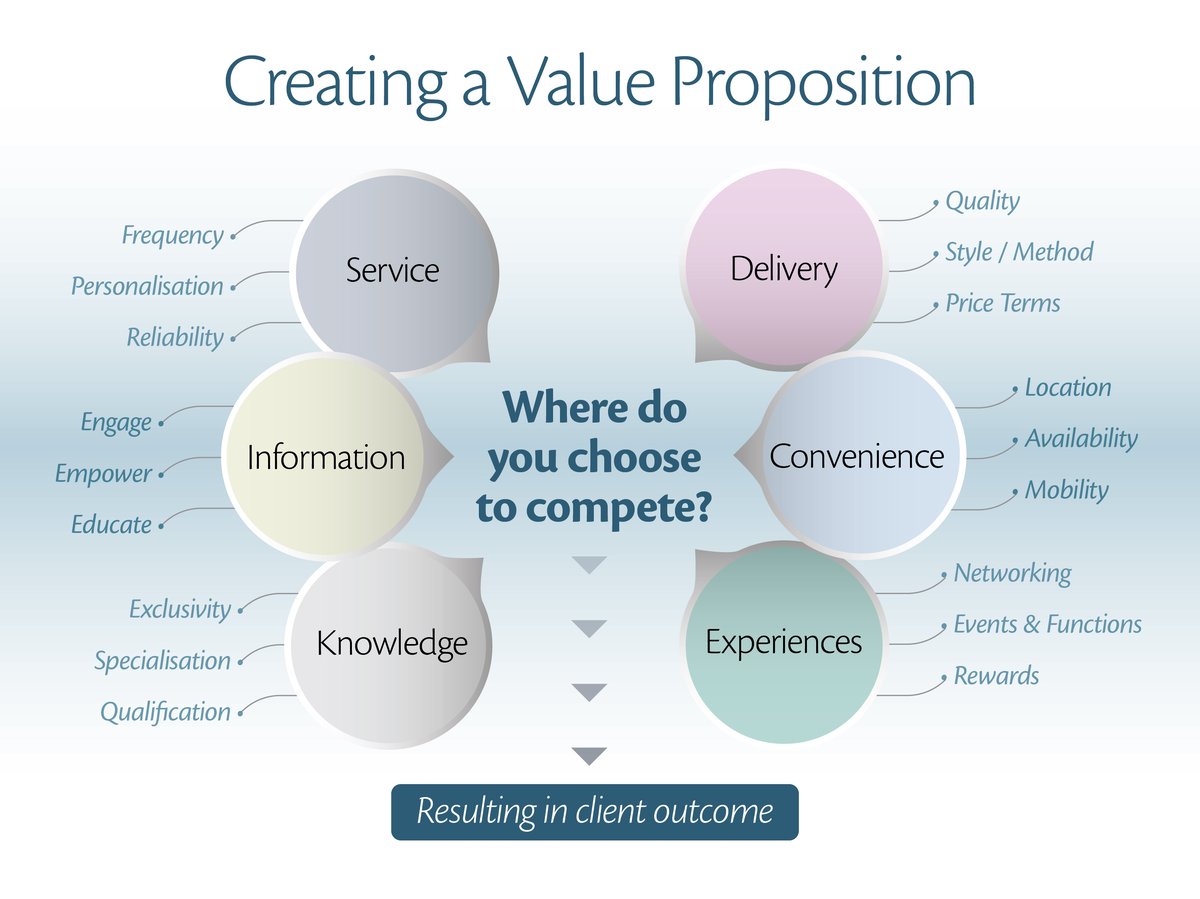
In the dynamic world of business, understanding what your customers truly value, and at what cost, isn't just a nicety—it's the bedrock of sustainable success. At the heart of every thriving enterprise lies a meticulous blend of Cost Analysis & Value Proposition, a strategic duet that dictates everything from product development to market positioning. It’s about more than just setting a price; it’s about articulating worth, proving benefits, and ultimately, building a relationship of trust with your audience. Businesses that master this balance don’t just compete; they redefine their markets.
At a Glance: Decoding Cost Analysis & Value Proposition
- The Core Idea: Balancing what your product costs to make with what customers believe it's worth.
- Why It Matters: Guides smart pricing, enhances perceived value, and ensures healthy profit margins.
- Key Steps: Identify customer segments, analyze competitors, determine costs, assess perceived value, optimize pricing, and monitor market changes.
- Value Defined: Perceived benefit relative to cost, encompassing both subjective (perceived) and objective (actual) elements.
- Cost Analysis's Role: Pinpoints cost drivers, optimizes expenses, informs pricing, and justifies value.
- Value Communication: Essential for highlighting benefits and solving customer problems effectively.
- Strategic Advantage: Delivers superior value at a lower cost or with greater efficiency, setting you apart.
- Essential Tools: Activity-Based Costing, Total Cost of Ownership, Conjoint Analysis, and customer feedback.
The Foundation: What is Cost Value Proposition Analysis (CVPA)?
Think of Cost Value Proposition Analysis (CVPA) as your business's GPS, helping you navigate the complex terrain where cost meets customer perception. It’s a strategic tool designed to reveal the true worth of your products or services from your customer's viewpoint. This isn't just an academic exercise; it's fundamental for crafting marketing messages that resonate, developing products customers actually want, and setting prices that feel fair while also driving robust profit margins.
At its core, CVPA seeks that sweet spot where your product's cost aligns perfectly with the value your customers perceive. It influences every decision, from which features to include, to how you package and price your offerings. For business owners, it's about competitive positioning and financial health. For customers, it's about making informed, confident purchasing decisions.
Value, Defined: In this context, value isn't just a buzzword. It's the perceived benefit a product or service offers to a customer, relative to its cost. This dynamic drives everything from individual purchasing choices to your business's overall profitability.
- Perceived Value: This is subjective. It lives in the mind of your customer, shaped by their individual needs, expectations, and even emotions.
- Actual Value: This is objective. It's measurable, based on a product's functionality, utility, and tangible benefits.
- The Value Proposition: This is your promise—a clear, compelling statement outlining the specific benefits you deliver, how you solve customer problems, and what makes you distinctly different from the competition.
Building Your Blueprint: The Key Steps for Conducting CVPA
Implementing a robust CVPA process isn't a one-and-done task; it's an ongoing discipline. Here’s how you can systematically approach it:
- Identify Your Customer Segments: Who are you trying to serve? Different groups value different things. A luxury car buyer, for instance, values prestige and performance, while an economy car buyer prioritizes reliability and fuel efficiency. Understanding these distinct needs is your starting point.
- Evaluate Competitor Offerings: You don't operate in a vacuum. Analyze what your rivals are selling, how they're pricing it, and what unique benefits they emphasize. This helps you spot opportunities for differentiation and understand market benchmarks.
- Determine Your Cost Structures: This is where cost analysis truly begins. Break down every expense associated with your product or service. This includes direct costs like raw materials and labor, as well as indirect costs such as marketing, administrative overhead, and distribution. A clear understanding of these drivers is non-negotiable for effective pricing.
- Assess Perceived Value: How do customers feel about your offering? This requires direct input. Conduct surveys, host focus groups, and run interviews to gather qualitative and quantitative feedback. What problems does your product solve for them? What benefits do they highlight?
- Optimize Your Pricing Strategy: Armed with cost data and perceived value insights, you can now set prices that resonate. This isn't just about covering costs; it's about capturing the maximum value customers are willing to pay, ensuring healthy profit margins, and positioning your product strategically in the market.
- Monitor Market Changes: The business landscape is constantly shifting. New technologies emerge, customer preferences evolve, and competitors innovate. Continuously adjust your CVPA based on these changes to stay relevant and competitive.
The Financial Lens: Diving Deeper into Cost Analysis
Cost analysis isn't merely a bookkeeping task; it's a pivotal strategic activity that shapes your entire value proposition. It provides the concrete evidence that your product's benefits genuinely justify its price. This meticulous examination of costs at every level allows you to identify inefficiencies, improve operations, and maintain quality without overspending.
Financial analysts use cost analysis to uncover hidden expenses and optimize budgets. Marketing strategists leverage it to inform pricing models that capture maximum perceived value. Product managers use it to balance feature costs against their potential to enhance customer value.
The Role of Cost Analysis in Crafting Your Value Proposition:
- Identification of Cost Drivers: Pinpointing the factors that contribute most significantly to your overall costs. Is it raw materials, labor, or perhaps inefficient processes? Knowing this allows for targeted improvements.
- Cost Optimization: Once drivers are identified, you can implement strategies to reduce them. This might involve renegotiating supplier contracts, investing in more efficient technology, or even redesigning products for simpler manufacturing.
- Pricing Strategy: A solid cost analysis allows you to adopt intelligent pricing models, such as tiered SaaS pricing that reflects different levels of features and value, rather than simply guessing.
- Value Communication: Armed with detailed cost data, you can confidently justify your price points by highlighting the quality, durability, or advanced features that your costs support. This transparency builds trust.
- Competitive Analysis: Understanding your competitors' likely cost structures helps you identify opportunities to differentiate, either by offering similar value at a lower price or superior value at a competitive price.
- Financial Planning: Cost analysis is indispensable for accurate forecasting, budgeting, and making informed investment decisions for future growth.
- Risk Management: By identifying areas of high cost or dependency, such as a single supplier for a critical component, you can proactively mitigate financial risks.
Articulating Worth: The Power of Effective Value Communication
Even the most brilliant product or service will languish if its value isn't effectively communicated. This is where strategic value communication comes in, bridging the gap between what you offer and what your target audience truly needs. It’s about crafting a compelling narrative that connects customer problems directly to your product’s solutions, fostering not just sales, but lasting relationships.
Think about how you explain the benefits of a powerful piece of equipment. You wouldn't just list technical specs; you'd talk about how it enhances safety or boosts productivity. For example, a generator isn't just a machine; it's peace of mind during a power outage or the ability to run essential tools remotely. To dive deeper into specific power solutions, you might learn more about 9000 generators and how their features contribute to distinct value propositions.
Strategies for Communicating Value Effectively:
- Understand Customer Needs: Research their pain points, aspirations, and priorities. A SaaS company, for instance, might highlight time-saving features for busy professionals, knowing their core need is efficiency.
- Clear and Concise Messaging: Avoid jargon and overly technical language. "Get fit in just 20 minutes a day" is far more impactful than "Achieve peak physical conditioning through optimized caloric expenditure."
- Provide Evidence of Value: Don't just make claims; back them up. Use data, case studies, testimonials, and demonstrable results (e.g., "Our project management tool reduced completion times by 30%").
- Consistency Across Channels: Ensure your value message is unified and consistent across all marketing materials, from your website to social media to sales pitches. A luxury car brand, for example, maintains a consistent image of exclusivity and performance everywhere.
- Personalization: Where possible, tailor your communication to specific customer segments. An online retailer might use purchase history to recommend products that align with individual preferences.
- Demonstrate ROI (Return on Investment): Show customers the tangible returns they can expect. A solar panel company, for example, often uses a savings calculator to illustrate long-term financial benefits.
- Storytelling: Illustrate value in real-life scenarios. How does your product change someone's day? How does it solve a common struggle?
- Visual Aids: Utilize infographics, charts, videos, and high-quality images to make complex information digestible and engaging.
- Post-Purchase Support: Value communication doesn't end at the sale. Excellent customer service, ongoing training, and proactive support reinforce the long-term value of your product or service.
- Continuous Feedback Loop: Regularly solicit customer feedback and use it to refine your value messaging and ensure it remains relevant and compelling.
Mastering Your Spend: Best Practices in Cost Management
Effective cost management is the proactive monitoring and controlling of expenditures, aiming to strike a delicate balance between minimizing expenses and maximizing the value those expenses create. CFOs use it for foresight and long-term growth, project managers for real-time tracking and adjustment, and entrepreneurs for stretching limited resources to achieve big goals.
It's not about cutting costs indiscriminately; it's about spending intelligently to fuel your value proposition and improve profitability.
Best Practices in Cost Management:
- Strategic Sourcing and Procurement: Go beyond simply buying the cheapest option. Negotiate strong contracts with suppliers, use competitive bidding processes, and consider bulk purchasing to secure better terms.
- Robust Budgeting and Forecasting: Implement detailed budgets and regularly update your forecasts. Techniques like zero-based budgeting, where every expense must be justified from scratch, can be particularly effective.
- Accurate Cost Allocation: Assign costs to specific departments, projects, or product lines. Using activity-based costing (ABC) helps you understand the true profitability of individual services or products.
- Investment in Technology: Leverage automation, AI, and data analytics to streamline operations, reduce manual labor, and gain insights into spending patterns. Automated inventory systems, for example, can significantly reduce waste.
- Lean Operations: Continuously identify and eliminate waste in all forms—overproduction, waiting, unnecessary transport, over-processing, excess inventory, unnecessary motion, and defects. Just-in-time inventory is a classic lean example.
- Employee Engagement and Training: Empower your team to identify cost-saving opportunities and improve productivity. Investing in supply management training, for instance, can yield significant returns.
- Outsourcing Non-Core Activities: Free up internal resources by outsourcing tasks that aren't central to your core business, such as IT support or content editing. This allows your team to focus on what they do best.
- Regular Review and Audit: Conduct periodic financial audits, review all contracts, and scrutinize spending patterns. An office space audit, for example, might reveal underutilized assets.
The Competitive Edge: Crafting a Superior Cost Value Proposition
In today's crowded markets, simply offering a good product isn't enough. A superior cost value proposition is about delivering exceptional value either at a lower cost than competitors or with significantly greater cost efficiency. It's about redefining what customers expect for the price they pay. This requires an intimate understanding of your internal cost structures, the key drivers of customer value, and how those perceptions influence purchasing decisions.
Think of companies like Toyota, which pioneered production systems to offer high-quality vehicles at competitive prices, or Southwest Airlines, whose operational efficiency allows for lower fares without sacrificing customer experience.
Strategies for a Successful Cost Value Proposition:
- Streamlining Operations: Ruthlessly optimize your supply chains, manufacturing processes, and logistics. Walmart's "Everyday Low Prices" are a direct result of their unparalleled operational efficiency and supply chain mastery.
- Product Design Innovation: Design products from the ground up to reduce manufacturing costs while enhancing the customer experience. IKEA's flat-pack furniture, for example, reduces shipping and assembly costs for the company, passing savings (and a sense of achievement) to the customer.
- Strategic Sourcing: Leverage your buying power and expertise to negotiate superior terms with suppliers for raw materials and components. Apple, despite its premium pricing, is a master at component sourcing, which contributes to its strong margins.
- Technology Utilization: Deploy automation, artificial intelligence, and advanced robotics to reduce operational costs, increase speed, and improve accuracy. Amazon's highly automated warehouses are a prime example.
- Business Model Innovation: Disrupt traditional industry models to offer value-driven pricing or entirely new ways of consuming products/services. Netflix's subscription model, for instance, offered unlimited entertainment at a predictable, low monthly cost, disrupting traditional video rentals.
The Essential Toolkit: Techniques for Accurate Analysis
To truly dissect the cost-value relationship and uncover opportunities for value creation, you need the right tools and techniques. These go beyond basic accounting, offering deeper insights into customer preferences and operational efficiencies.
Key Tools and Techniques for CVPA:
- Activity-Based Costing (ABC): This method allocates overhead costs to specific activities, then to products or services based on their consumption of those activities. It provides a far more accurate picture of true product cost than traditional methods.
- Total Cost of Ownership (TCO): Rather than just focusing on the purchase price, TCO considers all costs associated with a product or service over its entire lifecycle—acquisition, operation, maintenance, and disposal.
- Value Chain Analysis: This technique examines every step of your production process, from raw materials to final delivery, to identify where value is added and where inefficiencies or cost-saving opportunities lie.
- Conjoint Analysis: A powerful market research technique that gauges customer preferences for different product attributes. It helps you understand which features customers value most and how they trade off between features and price.
- Benchmarking: Compare your performance metrics (costs, quality, customer satisfaction) against industry bests or leading competitors to identify areas for improvement.
- Customer Interviews and Surveys: Direct feedback is invaluable. Qualitative insights from interviews and quantitative data from surveys reveal how customers perceive your value, what problems they face, and what they'd pay for solutions.
- Financial Modeling: Build detailed financial models to forecast the financial impact of different strategic decisions, pricing changes, or cost-saving initiatives.
- SWOT Analysis: A classic strategic planning tool that helps assess your strengths, weaknesses, opportunities, and threats related to your value proposition and competitive landscape.
Navigating the Rough Waters: Overcoming Challenges in Value Proposition Analysis
Even with the best tools, perfecting your value proposition isn't without its hurdles. These challenges often stem from a lack of clear understanding—either of your product, your customer, or the crucial connection between them.
Common Challenges and Their Solutions:
- Challenge: Identifying Unique Value: It's easy to think your product is special, but truly unique value requires deep market research and an honest, often critical, internal assessment.
- Solution: Conduct thorough market research, analyze competitor differentiation, and rigorously test your unique selling points with target customers. For a SaaS product, this might involve highlighting a user-friendly interface that dramatically simplifies a complex task.
- Challenge: Understanding Customer Needs: Assuming you know what your customers want can be a fatal flaw. Needs evolve, and your perception might be outdated.
- Solution: Invest in continuous customer research—surveys, interviews, ethnographic studies. A mobile phone manufacturer, for example, might prioritize battery life improvements based on direct customer feedback.
- Challenge: Communicating Effectively: Even with a clear value proposition, articulating it in a compelling, concise, and resonant way is difficult. Jargon, vagueness, or mismatched channels can sink your message.
- Solution: Craft clear, benefit-driven messages tailored to each customer segment. Use strong, active language and test your messaging for clarity and impact. A renewable energy company might focus on communicating long-term savings and environmental benefits clearly and simply.
- Challenge: Aligning with Customer Beliefs: Your value proposition must resonate not just with needs, but also with the underlying values and beliefs of your target audience.
- Solution: Understand the psychographics of your audience. A fashion brand might highlight sustainable materials and ethical sourcing to appeal to environmentally conscious consumers.
- Challenge: Adapting to Market Changes: A value proposition isn't static. New technologies, competitor moves, and shifting customer expectations can quickly render it obsolete.
- Solution: Implement continuous market monitoring and feedback loops. A streaming service, for instance, constantly adapts its content library and pricing models to reflect new trends and subscriber feedback.
- Challenge: Measuring Impact: Without clear metrics, you can't tell if your value proposition is actually working.
- Solution: Define clear KPIs (Key Performance Indicators) and track them rigorously. This could include sales growth, customer acquisition cost, customer lifetime value, or campaign effectiveness. An organic food company might track repeat purchases and customer reviews to measure perceived value.
Strategic Integration: Embedding Cost Value Analysis for Sustainable Growth
For a business to truly thrive, Cost Value Analysis cannot be an isolated exercise. It must be woven into the very fabric of your strategic planning, acting as a continuous feedback loop that scrutinizes costs, assesses perceived value, and ensures every decision aligns with your overarching goals. This integration is pivotal for fostering customer loyalty and securing a lasting competitive advantage.
Steps for Integrating Cost Value Analysis into Strategic Planning:
- Identify Cost Drivers at the Strategic Level: Beyond product-specific costs, analyze the major expenditures that impact your business model. Are significant R&D investments paying off in perceived innovation?
- Assess Customer Value Holistically: Gather continuous insights through market research, customer feedback, and sales data to understand how customers perceive the entire spectrum of your offerings and brand.
- Optimize Price for Strategic Advantage: Move beyond cost-plus pricing. Develop pricing strategies that maximize profitability while consistently offering compelling value relative to competitors. This might involve premium pricing for unique solutions or aggressive competitive pricing for market share.
- Embed Value Communication in All Channels: Ensure marketing, sales, and customer service teams are all equipped to effectively articulate the benefits of your products and services, justifying costs through tangible value.
- Champion Continuous Improvement: Establish a culture where regularly refining your cost value analysis is standard practice. This means adapting to market trends, incorporating new technologies, and consistently meeting evolving customer expectations.
Building Your Core: The Cost Value Proposition (CVP) Statement
A well-crafted Cost Value Proposition (CVP) statement is more than just a marketing slogan; it's a concise summary of how your business solves a customer's problem or satisfies a need, clearly explaining why they should choose you over any competitor. It's the North Star for your entire organization.
Why a Strong CVP Matters:
- Attracts and Retains Customers: Clearly communicates benefits that resonate.
- Increases Revenue and Profitability: By aligning price with perceived value.
- Enhances Innovation and Differentiation: Guides product development towards what truly matters.
- Aligns and Motivates Your Team: Provides a shared purpose and understanding of customer focus.
Examples of Powerful CVPs: - Netflix: "Watch TV shows and movies anytime, anywhere. Personalized for you." (Highlights convenience, choice, and personalization.)
- Spotify: "Music for everyone. Millions of songs. No credit card needed." (Emphasizes accessibility, vast library, and ease of entry.)
- Amazon: "Earth's most customer-centric company... lowest possible prices." (Focuses on customer obsession and cost leadership.)
The Cost Value Proposition Framework Steps:
- Identify Customer Segments: Use market research, interviews, and surveys to deeply understand your target customers' needs, goals, and most pressing pain points.
- Define Your Value Proposition: Craft a succinct statement explaining how your product/service solves their problem, delivers specific benefits, and differentiates you. It must be specific, measurable, and relevant to their world.
- Quantify the Value Proposition: This is where cost analysis truly shines. Use cost-benefit analysis to estimate both monetary (price, cost savings) and non-monetary (time saved, effort reduced, risks mitigated, convenience, satisfaction) costs and benefits. Compare this against alternatives to clearly demonstrate net value or ROI.
- Communicate with a Value Proposition Canvas: This visual tool helps you map your customer profile (their jobs-to-be-done, pains, and gains) against your value proposition (your products/services, pain relievers, and gain creators), ensuring a strong "fit."
Successful companies use CVPs to gain a distinct competitive advantage. Amazon Prime, for instance, reduces shipping costs and saves time, building immense customer loyalty. Netflix's personalization algorithms increase enjoyment and reduce search costs, enhancing perceived value. IKEA's DIY concept lowers purchase and delivery costs while providing customers with a sense of achievement.
Optimizing for Impact: Pricing, Marketing, and Sales Based on CVP
Once your CVP is clearly defined, it becomes the driving force behind your core business functions.
- Pricing Strategy: Your CVP should directly inform your pricing. If your value proposition emphasizes premium quality and unique solutions, value-based pricing makes sense. If your CVP is built on cost leadership, competitive pricing strategies are more appropriate.
- Marketing Strategy: Highlight your CVP consistently and compellingly to persuade your target audience. If your CVP is about innovation, use online marketing and digital channels to showcase new features. If it’s about reliability and trust, traditional channels or word-of-mouth may reinforce that message.
- Sales Strategy: Your sales team must be equipped to reinforce your CVP in every customer interaction. For complex, high-value solutions, consultative selling that tailors the CVP to individual customer needs is effective. For standardized, lower-cost products, a transactional sales approach focused on efficiency may be better.
Future-Proofing: Adapting to Changing Customer Needs and Expectations
A static value proposition is a dying one. To remain relevant and competitive, your CVP must continuously evolve with your customers and the market.
- Focus on the Customer Journey and Experience: Design your CVP to address pain points and delight customers at every touchpoint. A hotel, for example, might offer personalized recommendations, seamless online check-in, and smart room controls to enhance the guest experience.
- Leverage Data and Analytics: Continuously gather and analyze customer behavior data to gain insights into evolving needs. Use A/B testing, surveys, and predictive analytics to validate and optimize your CVP. A streaming service, for instance, tailors content recommendations and even pricing plans based on detailed viewing data.
- Incorporate Sustainability and Social Responsibility: A growing number of consumers value ethical practices. Align your CVP with these values by showcasing reduced environmental footprints, fair labor practices, or support for social causes. A clothing brand highlighting sustainable materials and ethical sourcing can appeal to a broad, conscious customer base.
The Dos and Don'ts of a Powerful Cost Value Proposition
To ensure your CVP hits the mark, keep these guidelines in mind:
DO:
- Research your target customers rigorously. Understand their deep-seated needs, goals, and pain points.
- Analyze your competitors thoroughly. Know what they offer, how they price, and where their gaps lie.
- Craft a CVP that is simple, concise, and memorable. It should be easy for anyone to understand and recall.
- Test and refine your CVP regularly. Gather feedback and be willing to iterate and improve.
DON'T: - Assume you know what your customers need. Validate your assumptions with data and direct feedback.
- Ignore your competitors. Understanding their strategies is crucial for differentiation.
- Use jargon or vague, unquantifiable terms. Be specific about the benefits you deliver.
- Settle for your first draft. A powerful CVP often emerges after several rounds of refinement.
Your Next Step: Articulating Unbeatable Value
Mastering Cost Analysis & Value Proposition isn't a secret formula; it's a discipline of deep understanding, meticulous planning, and clear communication. By systematically identifying customer needs, dissecting your costs, and articulating your unique value, you empower your business to set intelligent prices, resonate with your audience, and build a lasting competitive advantage.
Start by revisiting your customer segments and truly listening to their challenges. Then, peel back the layers of your own cost structure. The insights you uncover will not only optimize your pricing but fundamentally transform how your customers perceive, and ultimately, value what you bring to the world.