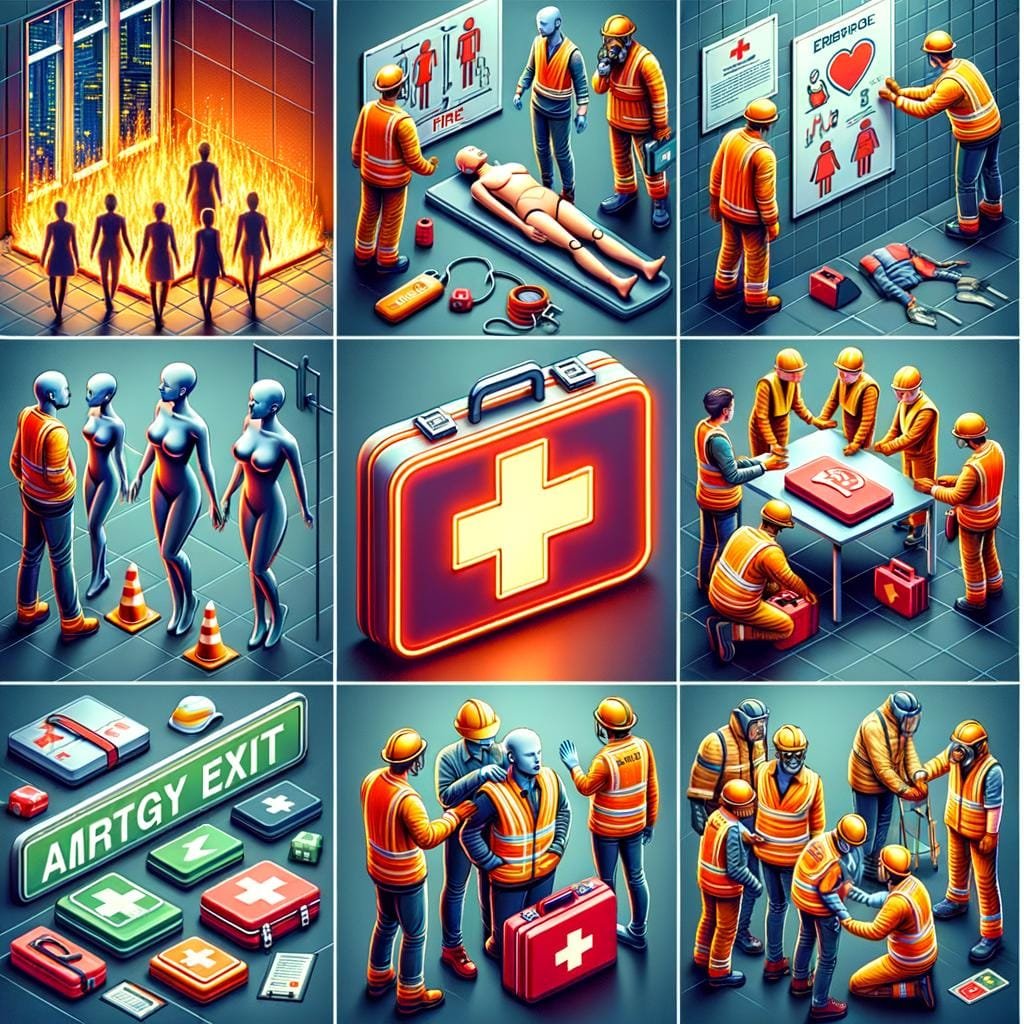
In any bustling workplace, be it a manufacturing floor, a commercial kitchen, or a cutting-edge lab, the silent guardians of productivity and well-being are robust Setup, Operation & Safety Protocols. These aren't just bureaucratic hurdles; they're the foundational blueprint for a resilient business and a healthy, engaged workforce. When thoughtfully designed and diligently followed, these protocols don't just prevent accidents—they actively enhance efficiency, boost morale, and solidify your organization's reputation as a responsible employer.
Imagine a machine operating perfectly, its gears turning in sync, its processes humming along without a hitch. This isn't magic; it's the result of meticulous setup, careful operation, and integrated safety measures. Disregard any one of these pillars, and the entire system risks grinding to a halt, often with dire consequences.
At a Glance: Why These Protocols Matter
- Prevent Injuries & Illnesses: The most crucial benefit, protecting your team from harm.
- Boost Productivity: Clear guidelines reduce errors, downtime, and inefficiency.
- Cut Costs: Fewer accidents mean lower insurance premiums, less property damage, and no legal fees.
- Ensure Compliance: Stay on the right side of regulatory bodies like OSHA, avoiding hefty fines.
- Enhance Worker Engagement: Employees feel valued and safe, leading to higher morale and better performance.
- Build Reputation: A safe workplace attracts top talent and strengthens your brand.
- Foster Innovation: A secure environment allows teams to focus on growth and improvement, not just reactive problem-solving.
Beyond Compliance: The True ROI of Proactive Safety
For too long, safety was viewed through a reactive lens: fix problems after an injury, update policies after a new regulation, or address issues only when an inspector flags them. But as the Occupational Safety and Health Administration (OSHA) clearly states in its "Recommended Practices for Safety and Health Programs," a proactive approach is a sound business strategy. It's about finding and fixing hazards before they cause injury or illness, preventing suffering and financial hardship for workers and employers alike.
This isn't just about avoiding penalties. It's about a tangible return on investment. OSHA emphasizes that implementing robust safety and health programs brings significant benefits: preventing workplace injuries and illnesses, improving compliance, and critically, reducing costs—including substantial cuts in workers' compensation premiums. Beyond the numbers, it fosters worker engagement, helps achieve social responsibility goals, and ultimately increases productivity and enhances overall business operations.
Think of it this way: every dollar invested in proactive safety protocols is an investment in your company's future, safeguarding your most valuable assets—your people and your operational continuity.
The Foundation: Setting Up for Success
A robust safety culture begins long before the first task is executed. It starts with the very design and setup of your workplace, equipment, and processes. This initial phase dictates much of the safety profile that follows.
Unearthing Risks: Comprehensive Hazard Identification & Assessment
Before any operation begins, you must understand the landscape of potential dangers. This isn't a one-time checklist; it's an ongoing, systematic process.
- Walkthroughs & Inspections: Regularly tour the workplace. Look for obvious hazards like cluttered aisles, frayed wires, or slippery surfaces. More importantly, observe how tasks are performed.
- Job Hazard Analysis (JHA): Break down each job into individual steps. For each step, identify potential hazards (e.g., fall, pinch point, chemical exposure) and determine the controls needed to mitigate them. This is where you proactively think through scenarios.
- Employee Input: Your frontline workers are invaluable. They often know the hidden dangers and practical solutions because they live with the processes daily. Establish clear channels for them to report concerns without fear of reprisal.
- Review Incident Reports & Near Misses: Analyze past events, no matter how minor. Near misses are powerful teaching tools, revealing systemic weaknesses before a serious incident occurs.
- Data Analysis: Use injury and illness logs, workers' compensation claims, and safety audit results to pinpoint trends and high-risk areas.
Once hazards are identified, they must be assessed for their severity and likelihood. A common tool for this is a Risk Matrix, which scores hazards based on these two factors, allowing you to prioritize your control efforts. High-severity, high-likelihood risks demand immediate attention.
Engineering Controls: Designing Safety In
The most effective safety measures are those built into the environment or equipment itself, making it impossible or very difficult for an unsafe act to occur. These are called engineering controls.
- Machine Guarding: Physical barriers to prevent contact with moving parts.
- Ventilation Systems: Removing hazardous fumes or dust at the source.
- Ergonomic Design: Workstations designed to minimize strain and repetitive motion injuries.
- Automated Systems: Replacing manual tasks in hazardous environments.
When considering new equipment, like a 9000 generator, ensure that safety features are a primary consideration during procurement and installation. Proper setup of such critical machinery, including its grounding and ventilation requirements, is non-negotiable for safe operation.
Administrative Controls: Rules and Procedures
When engineering controls aren't feasible or sufficient, administrative controls come into play. These involve changing how people work.
- Standard Operating Procedures (SOPs): Detailed, step-by-step instructions for performing tasks safely. These should be clear, accessible, and regularly reviewed.
- Permit-to-Work Systems: For high-risk activities (e.g., confined space entry, hot work), a formal permit system ensures all necessary precautions are taken and authorized.
- Lockout/Tagout (LOTO) Procedures: Critical for maintenance or servicing of machinery, ensuring energy sources are safely de-energized and cannot be accidentally reactivated.
- Emergency Response Plans: Clear protocols for fires, chemical spills, medical emergencies, natural disasters, and evacuations. Everyone must know their role.
Training & Competency: Equipping Your Workforce
Even the best protocols are useless if employees aren't aware of them or don't know how to follow them. Training is paramount.
- New Hire Orientation: Introduce safety policies, emergency procedures, and general hazards from day one.
- Job-Specific Training: Hands-on training for tasks, equipment operation, and the use of specific safety controls.
- Refresher Training: Regularly update employees on best practices, especially when procedures or equipment change.
- Specialized Certifications: For tasks requiring specific licenses or certifications (e.g., forklift operation, confined space entry).
Training should be engaging, practical, and measurable. Don't just tick a box; ensure understanding and demonstrate competency.
The Heartbeat of Safety: Flawless Operation Protocols
Once everything is set up, the challenge shifts to integrating safety into the rhythm of daily operation. This means ensuring that protocols aren't just documents in a binder, but living practices embedded in every task.
Standardizing Workflows: The Power of SOPs
Effective SOPs are the backbone of safe operations. They standardize tasks, reduce variability, and ensure that critical steps—especially safety checks—are never missed.
- Clear and Concise: Use simple language, visuals, and flowcharts where appropriate.
- Accessible: Make SOPs readily available at the point of work (e.g., laminated cards near machinery, digital access on tablets).
- Regular Review: Update SOPs whenever equipment changes, new hazards are identified, or a better way to do something is found. Involve the workers who perform the tasks in these reviews.
- Integrate Safety Steps: Each step of an SOP should consider potential hazards and incorporate necessary safety precautions. For example, before operating heavy machinery, an SOP might include a pre-operational checklist for guards, fluid levels, and emergency stops.
Maintenance and Inspection: Preventing Failures
Well-maintained equipment is safer equipment. A proactive maintenance schedule is an operational safety protocol in itself.
- Preventative Maintenance (PM): Regularly scheduled servicing to prevent breakdowns and ensure components are in good working order. This includes lubrication, filter changes, and wear-and-tear inspections.
- Predictive Maintenance (PdM): Using sensors and data analysis to monitor equipment condition and predict when maintenance is needed, preventing unexpected failures.
- Pre-Use Checks: Empowering operators to perform quick safety checks before each shift or use (e.g., checking tire pressure on a vehicle, ensuring safety interlocks are functioning on a machine).
- Regular Safety Inspections: Beyond equipment, conduct routine inspections of the workplace for general hazards like slip-and-fall risks, blocked exits, and chemical storage.
Communication and Reporting: The Feedback Loop
An open culture of communication is vital for operational safety.
- Hazard Reporting: Employees must feel comfortable reporting hazards, near misses, and unsafe conditions without fear of blame. Implement easy-to-use reporting systems (e.g., anonymous hotlines, digital forms, suggestion boxes).
- Incident Investigation: When an incident occurs, investigate thoroughly to identify root causes, not just immediate culprits. The goal is to prevent recurrence. Focus on systemic issues.
- Safety Meetings & Briefings: Regular meetings (daily huddles, weekly department meetings) to discuss safety topics, review incidents, and reinforce protocols.
- Safety Data Sheets (SDS): Ensure all employees who handle chemicals have access to and understand the relevant SDS, outlining safe handling, storage, and emergency procedures.
Beyond the Day-to-Day: Sustaining Safety Protocols
Establishing protocols is one thing; sustaining them effectively over the long haul is another. This requires commitment, continuous improvement, and a clear vision.
Leadership Engagement: Setting the Tone from the Top
Safety cannot be an afterthought; it must be a core value championed by leadership.
- Visible Commitment: Leaders should actively participate in safety initiatives, conduct safety walkthroughs, and reinforce safety messages. Their actions speak louder than words.
- Resource Allocation: Provide adequate resources (time, budget, personnel) for safety training, equipment, and program implementation.
- Accountability: Establish clear roles and responsibilities for safety at all levels, from management to individual contributors. Hold everyone accountable for their safety duties.
Performance Monitoring & Evaluation: Are We Getting Better?
Like any business objective, safety performance needs to be measured and evaluated. OSHA emphasizes beginning with basic goals and then growing by monitoring performance and evaluating outcomes.
- Leading Indicators: Proactive measures that predict future safety performance (e.g., number of safety training sessions completed, near-miss reports, hazard observations, safety committee meeting attendance). These tell you what you're doing right to prevent incidents.
- Lagging Indicators: Reactive measures that show what has already happened (e.g., lost-time injuries, recordable incidents, workers' compensation claims). These indicate past failures. While important, don't rely solely on them; by then, harm has already occurred.
- Audits & Reviews: Periodically audit your safety management system against established standards (e.g., OSHA, ISO 45001). Conduct management reviews to assess program effectiveness, identify areas for improvement, and set new goals.
Continuous Improvement: The PDCA Cycle for Safety
Safety is not a destination; it's a journey. Embrace a Plan-Do-Check-Act (PDCA) cycle for continuous improvement:
- Plan: Identify a problem or area for improvement, set objectives, and plan actions.
- Do: Implement the plan, perhaps on a small scale as a pilot.
- Check: Monitor the results, compare them to your objectives, and evaluate effectiveness.
- Act: If successful, standardize the change. If not, learn from it, adjust, and restart the cycle.
This iterative approach ensures that your safety protocols evolve with your business, new technologies, and emerging risks.
Debunking Common Misconceptions About Safety Protocols
Despite overwhelming evidence, some lingering myths can hinder the adoption of robust safety programs. Let's address them head-on.
"Safety is Just More Paperwork."
While documentation is a part of safety (records, SOPs, training logs), the core purpose isn't the paper itself. It's about clear communication, consistent execution, and accountability. The paperwork is merely a tool to support a safer way of working, ensuring everyone knows their role and responsibilities, and that lessons learned are captured.
"It's Too Expensive to Implement."
This perspective often overlooks the hidden costs of not having strong protocols. Accidents lead to direct costs (workers' compensation, medical expenses, property damage, legal fees) and indirect costs (lost productivity, low morale, reputational damage, administrative time). OSHA's data consistently shows that businesses reduce overall costs, including significant reductions in workers' compensation premiums, by implementing effective safety and health programs. The initial investment pays dividends many times over.
"Accidents Just Happen; You Can't Prevent Them All."
While unforeseen events can occur, the vast majority of workplace accidents are preventable. They are often the result of identifiable hazards, unsafe acts, or failures in the safety system. A proactive approach, focusing on hazard identification, risk assessment, and control measures, shifts the paradigm from "accidents happen" to "accidents can be prevented through diligence and design."
Your Journey to a Safer, More Productive Workplace
Implementing and sustaining effective Setup, Operation & Safety Protocols isn't a one-and-done project; it's an ongoing commitment to excellence. It demands leadership, employee engagement, and a continuous desire to improve.
Start simple, perhaps focusing on one high-risk area, and build momentum. Engage your team at every step, empowering them to be safety champions. Remember, a safe workplace isn't just a legal requirement; it's a moral imperative and a powerful competitive advantage. By embracing these protocols, you're not just protecting your people and your business—you're cultivating a culture where everyone thrives.